

Full Pine Floor Restoration in a London Period Flat
From a planned buff and coat to a full sand and refinish, after an on-site inspection confirmed the existing lacquer build-up and uneven wear. The outcome was a cleaner, more consistent pine floor finish that still looks natural and true to the character of the boards.


Initial Assessment
A Closer Look at the Floor Before Any Work Began
The client initially contacted us wanting a light clean, removal of sharp edges, and a simple buff and recoat. Their priority was keeping the natural look of the pine and avoiding a full sanding process.
Based on the photos and measurements they provided, we prepared two clear options:
- Option 1: Buff and recoat
- Option 2: Full sanding and refinishing (included for comparison)
They appreciated the transparency and asked us to visit to confirm the price, especially as repairs were already visible.
On inspection the next day, it became clear the floor was beyond a maintenance coat. The boards had multiple layers of old lacquer, deep wear patterns, heavy build-up between boards, and uneven surfaces that would not allow a new coat to bond reliably. In cases like this, another layer can look better briefly, but it does not solve the underlying bonding and levelling issues.
We explained the findings clearly and the client agreed a full sanding and refinish was the responsible option. Partway through, they also chose to add sliver gap filling to improve the overall look of the boards.


Progress of the Pine Floor Restoration
Challenges During the Restoration & Techniques Used
Once sanding began, the full extent of historic coatings showed through. The floor had at least three phases of previous finishing, with thick lacquer layers and uneven abrasion.
To bring the boards back to a clean, even base, we used:
- Progressive sanding through multiple grits
- Careful flattening to avoid over-thinning the boards
- Edge work and detailed sanding around fixed features (fireplaces, cabinetry)
Partway through, the client chose to add gap filling using pine slivers. This improved the overall look of the floor by reducing the most visible gaps and movement points, using slivers where suitable and flexible filler only where appropriate. That involved:
- Removing old debris and hardened filler between boards
- Installing timber slivers where needed
- Applying flexible mastic in appropriate areas
- Repairing damaged sections and open holes
Gap filling is labour-intensive when it is done properly. In this case, it was chosen to improve the overall look of the floor and reduce the worst of the visible gaps and movement points, using pine slivers where suitable and flexible filler only where appropriate.
Lacquering the Restored Pine Floor
Final Finish and Restoration Outcome
After the repairs and filling were completed, we carried out final sanding passes to achieve a smooth, consistent surface.
The floor was then sealed and finished with a clear lacquer system chosen to:
- Protect the timber without darkening it
- Preserve the natural warmth and character of pine
- Provide durable everyday resistance
The change was immediate but still natural. We did not try to erase the story of the boards, only to restore clarity and cohesion.
The project was completed in two days, and the client was able to use the floor as normal the following day.

Need Pine Floor Restoration in London?
Send a few clear photos and basic room sizes, and we will explain the safest option for your boards and your finish, without pushing you into unnecessary work.
If it helps, our guide on the difference is here: Floor sanding & Polishing, knowing the right time.
Why Pine Floors Are Perfect for Period Flats
Traditional Character with Warm Natural Grain
Pine flooring is commonly found in Victorian and Edwardian period flats across London. Its warm colour, visible knots, and soft grain create a characterful look that suits traditional interiors perfectly.
Unlike modern engineered flooring, original pine boards were often installed as structural subfloors and later finished as visible flooring. Over time, however, these boards can become scratched, stained, or uneven due to decades of foot traffic and previous renovations.
Professional pine floor restoration brings these boards back to life by removing surface damage, smoothing the timber, and applying a protective finish that enhances the wood’s natural warmth and charm.
Why Old Pine Floors Often Need Restoration
Years of Wear, Paint, and DIY Treatments
Many pine floors in older London properties have experienced multiple layers of wear and repair over the decades. Common issues we encounter include:
• Deep scratches and dents from heavy furniture
• Old paint spills from previous renovations
• Dark patches caused by water or pet stains
• Uneven boards due to movement in older buildings
• Thick varnish layers that hide the natural wood
Because pine is a softwood, it absorbs damage more easily than hardwood floors. Fortunately, sanding and refinishing can remove these imperfections and restore the timber’s natural beauty.
The Benefits of Professional Pine Floor Sanding
Restoring Beauty While Protecting the Timber
Professional sanding removes the damaged top layer of the wood and prepares the surface for a new protective finish. This process not only improves the appearance of the floor but also increases its durability and longevity.
Benefits include:
• Removing scratches, stains, and surface damage
• Revealing the natural grain and colour of the pine
• Creating a smooth and even walking surface
• Preparing the wood for modern protective finishes
• Extending the life of original flooring
When done correctly, pine floor sanding can transform a tired floor into a warm and elegant feature of the room.
Choosing the Right Finish for Restored Pine Floors
Protection That Enhances Natural Character
After sanding, applying the correct finish is essential for protecting pine floors and maintaining their appearance. Modern finishes provide excellent durability while still allowing the wood’s natural texture to show through.
Common finishes for pine floor restoration include:
• Hardwax oils for a natural matte appearance
• Water-based lacquers for strong protection with minimal colour change
• Stains to adjust the tone of the timber before sealing
The right choice depends on the style of the property, the level of foot traffic, and the client’s preferred finish. A well-finished pine floor becomes easier to maintain and resistant to everyday wear.
Why a Buff and Coat Is Not Always Enough
When Sanding Is the Right Foundation
A maintenance coat can work well when the existing finish is intact, there is no heavy build-up, and the surface is sound. But where multiple historical coatings exist, new lacquer may not bond properly. In those cases, sanding is not an upgrade, it is the correct foundation.
If you want to see what a full sand and refinish typically involves, our wood floor sanding service page explains the process and what to expect.
You can also browse similar London projects in our portfolio hub here: Floor Sanding Before or After Painting?
FAQs
Questions We’re Often Asked About Floors Like This
Can pine floors like this be sanded more than once?
Many period pine floors can be sanded several times over their lifetime, as long as the boards still have enough thickness. A professional inspection helps determine what is safe for the wood.
How do I know if my floor needs sanding or just a buff and coat?
If the finish is only dull but still intact, a buff and coat may be enough. However, if there are deep scratches, worn areas, or multiple layers of old lacquer, a full sanding is usually the better long-term solution.
Will sanding create a lot of dust in the property?
Modern sanding systems use dust extraction equipment that captures most of the dust during the process, making it far cleaner than traditional sanding methods.
How long does a floor sanding and refinishing project usually take?
For most rooms or small flats, sanding and refinishing typically takes one to two days, depending on the condition of the floor and the finish being applied.
How long will the new finish last?
With proper care, a professionally applied finish can last many years. Regular maintenance and occasional buff and coat treatments can help extend the life of the floor.
Still have questions?
Contact us for more information.
Happy Customers
Customer testimonials
Read what our satisfied customers have to say
Efficiency
Easy Booking Process
Effortless scheduling and premium results – we make it simple to book expert floor care that’s done on time, every time.
Professional Staff
01.Satisfaction Guaranteed or Your Money Back
Timely Completion
02.We complete projects on time, every time
High-Quality Results
03.We deliver exceptional quality for every project
Guaranteed satisfaction
Unparalleled Service That Puts You First
At Silver Lining Floor Care, we prioritize your satisfaction above all else. Our team of experts is dedicated to providing unparalleled service that exceeds your expectations.

Always provide a courteous and professional service.

Start and finish on time as agreed with the customer.

Apply our expertise at all times.

To protect your property and leave it clean.

Offer a full follow up service should you need it.
Expertise
Your Complete Floor Care Specialists
Craftsmanship, Care, and Trusted Service Since 2004
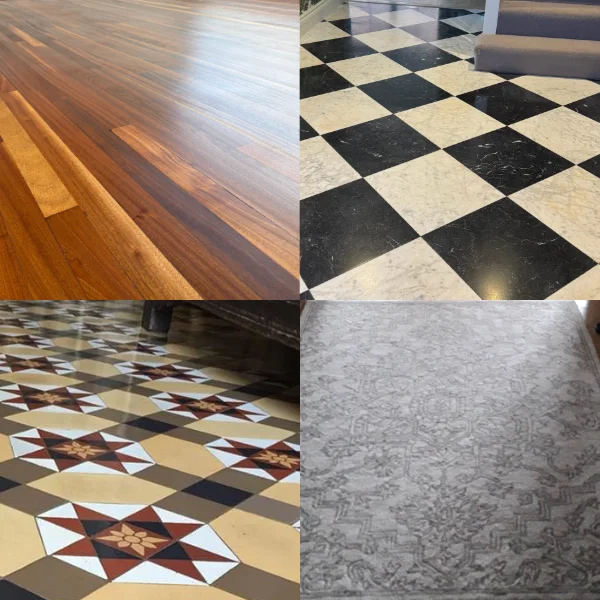
At Silver Lining Floor Care, we bring experience and precision to every surface we treat. Our comprehensive services are designed to restore, clean, and protect all types of flooring—helping you maintain lasting beauty, hygiene, and value. Whether it's natural stone, hardwood, or soft furnishings, we've got it covered:
- Wood Floor Restoration
- Stone Floor Cleaning & Polishing
- Hard Floor Cleaning
- Carpet & Upholstery Cleaning
- Commercial Floor Care
Whether you need a full transformation or regular upkeep, we’re here to help. Explore all our services and see how we can bring your floors back to life.
Knowlege centre
Discover Our Latest Articles
Stay informed with our informative blog posts


